Choose language


The Daya Pertiwi Foundation (DPF) Journey in Nusa Penida and East Bali (1980–2015)
 Where People and Nature Heal Together
 From Dry Hills to Green Hope: How Nusa Penida Grew through the Vision of DPF
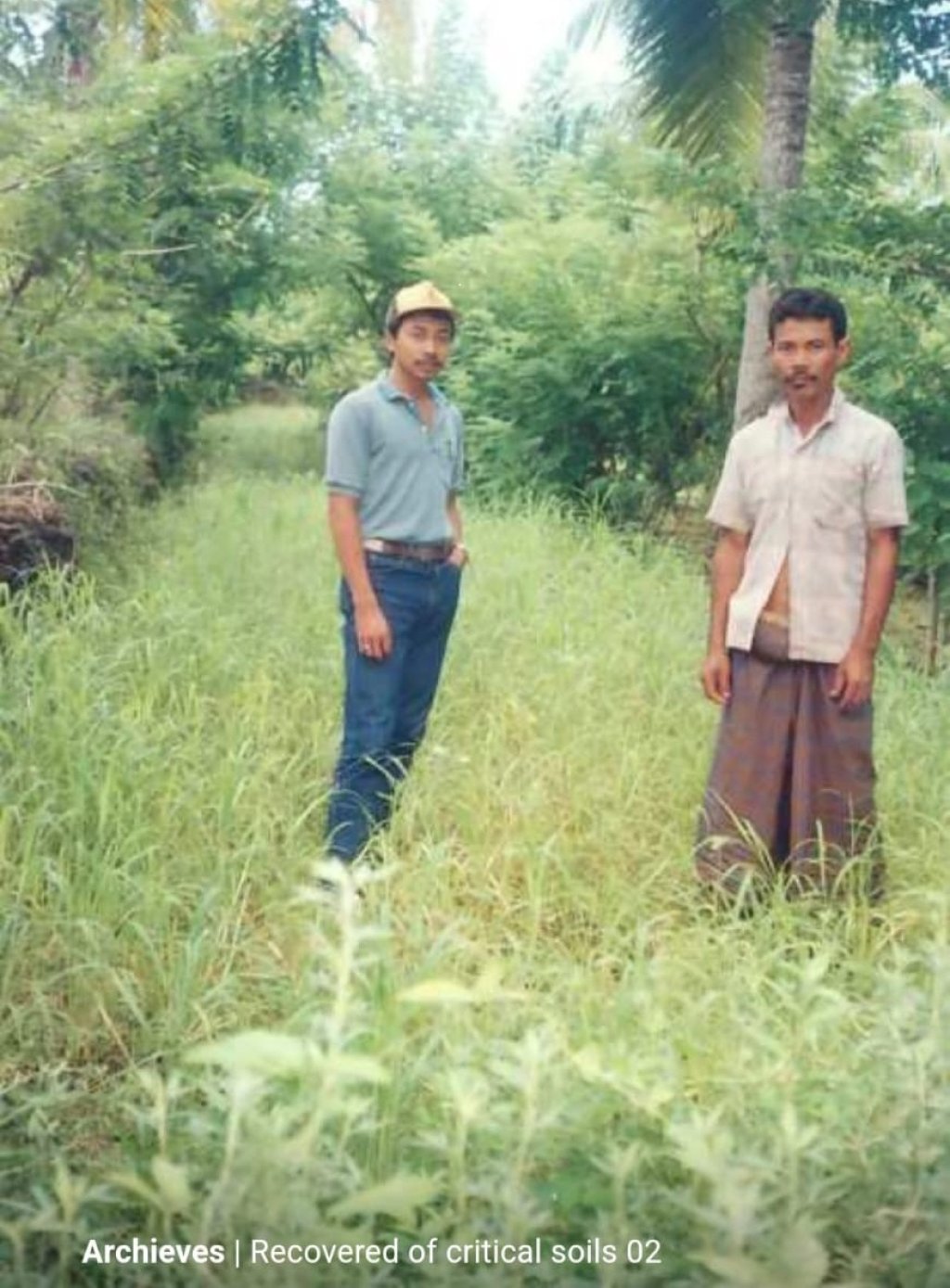
In the 1980s, Nusa Penida was a dry, rocky island where farmers struggled to survive. Water was scarce, the soil was thin, and forests had almost vanished. But in 1986, a quiet revolution began—led by the Daya Pertiwi Foundation (DPF) together with dedicated scientists from Udayana University, the State Ministry for Environment, and partners from The Netherlands, Germany, and the European Union.
Together, they introduced the Three-Strata Agroforestry System, a simple yet powerful idea:
“Plant life in layers — from grass to trees — so that every root, leaf, and drop of rain works together.”
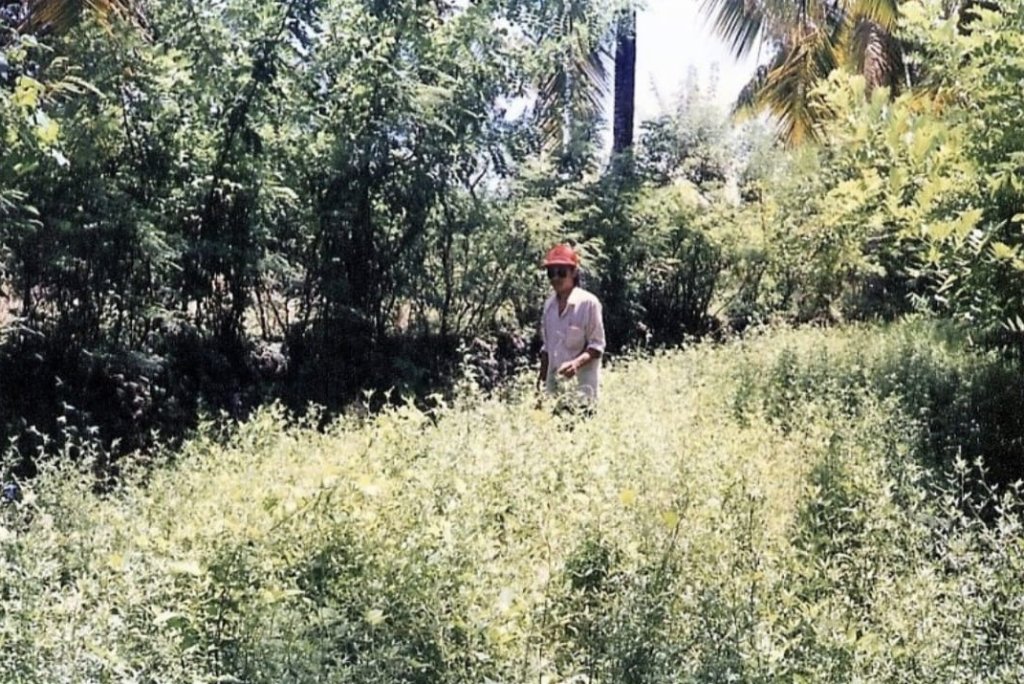
Over the next two decades, DPF helped transform barren limestone hills into living forests filled with bunut (fig trees), teak, mahogany, and fruit-bearing species. Farmers learned how to grow year-round fodder crops, restore soil fertility, and earn income from sustainable produce.
By 2006, the world took notice. DPF’s work won the Energy Globe Award, one of the world’s most respected environmental honors, recognizing Nusa Penida as a symbol of ecological hope.
Today, that legacy continues. The same approach that restored Nusa Penida now thrives across East Java and Eastern Indonesia (NTT) — proving that when people and nature work together, climate resilience is not a dream, but a way of life.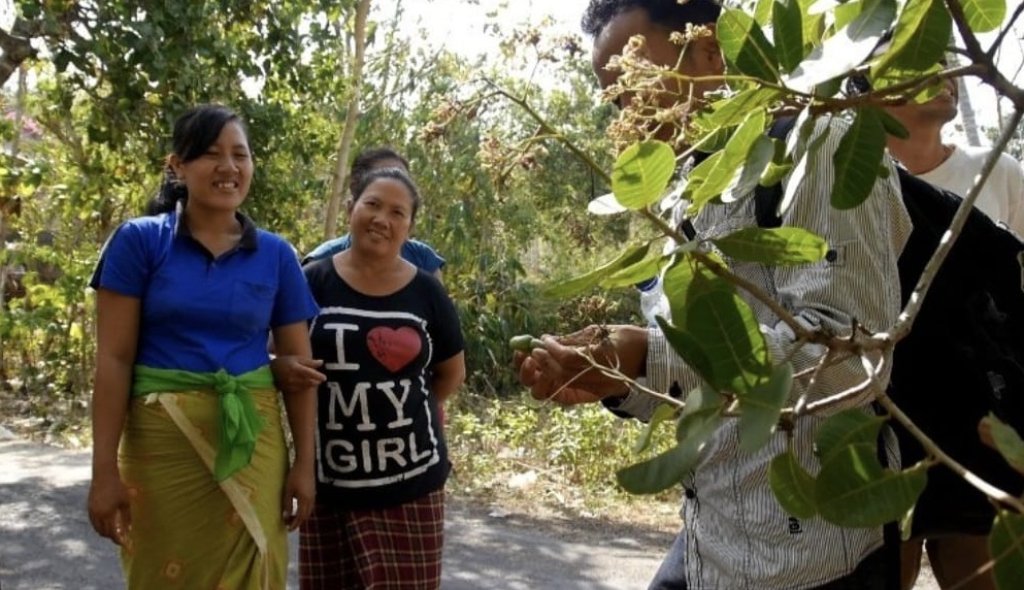
Early Phase (1980s–1990s): Ecological Rehabilitation and Livestock–Agro Integration
Initiation: Early 1980s
Partnership: Team Tiga Strata led by Prof. I. M. Nitis, Faculty of Animal Science, Udayana University
Funding: NOVIB (The Netherlands)
Focus: Rehabilitation of drylands, forage development, and integrated tree-livestock-crop systems (Three-Strata Model).
Core interventions and species introduced:
Integrated Rural Development and Water Management (1990–2005)
| Period | Project Title | Donor / Partner | Key Outcomes |
| 1991–1992 | Nusa Penida Development Project | NOVIB + Udayana Univ. | Rehabilitation of dryland ecosystems; fodder trees and livestock integration. |
| 1993–1994 | Water Supply and Agricultural Project | BFDW (Germany) + DPF | Construction of reservoirs, tanks, and drip irrigation systems. |
| 1998–2000 | Social Forestry and Drinking Water Project | EZE (Germany) | Over 300 underground reservoirs (cubang) built; thousands of trees planted. |
| 2001–2005 | People’s Economy of Nusa Penida | European Union Block Grant | Strengthened rural cooperatives, savings groups, and micro-enterprise clusters. |
Post-2005 Expansion: East Bali and Beyond
| Year | Project | Donor / Partner | Area | Focus |
| 2012–2013 | Water for the Poorest People in Nusa Penida | ICCO (The Netherlands) | Nusa Penida | Community-based solar water systems for marginalized households. |
| 2014–2015 | Making Markets Work for Poor People & Value Chain Development | ICCO (The Netherlands) | Nusa Penida & Karangasem | Value-chain development and fair-trade linkages. |
| 2014–2015 | Revitalizing Salarium in East Bali | ICCO (The Netherlands) | Karangasem | Revived salt ponds (salarium), eco-salt branding, improved women’s income. |
 Ecological Transformation
 Water Security Innovation
 Socio-Economic Empowerment
 Recognition and Replication
DPF’s archival videos (e.g., 'Welcome to Daya Pertiwi Part 2, 3, Improving Economy in Nusa Penida and Karangasem') document the living story: https://youtube.com/@dayapertiwi369
These reflect DPF’s guiding philosophy:
“Empowering People, Protecting Nature.”
Lessons from Nusa Penida shape DPF’s mission today: to expand climate-smart, community-driven green economy models across Bali, East Java, and Eastern Indonesia — integrating agroforestry, water security, and sustainable livelihoods.