Choose language


August 2026
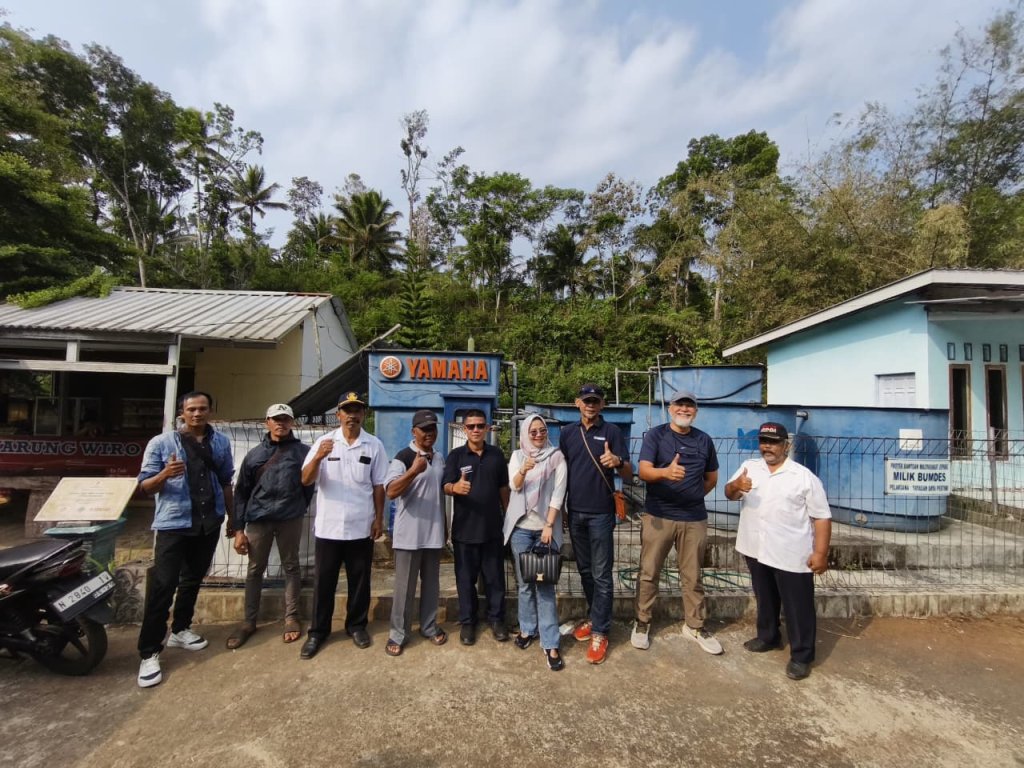
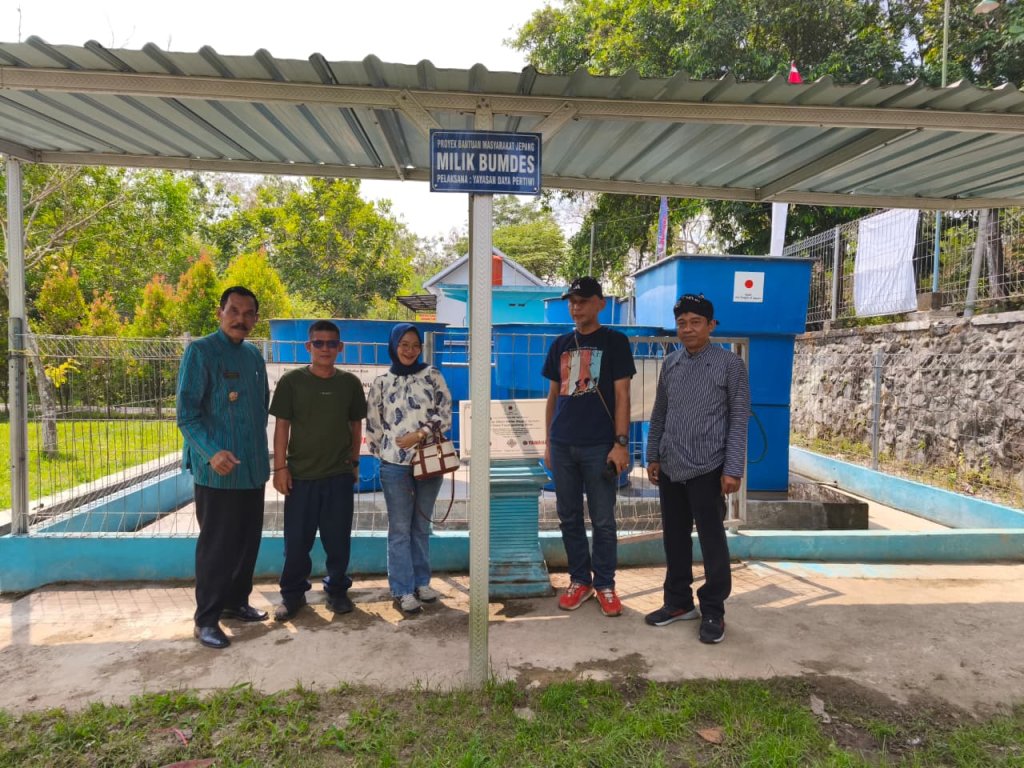
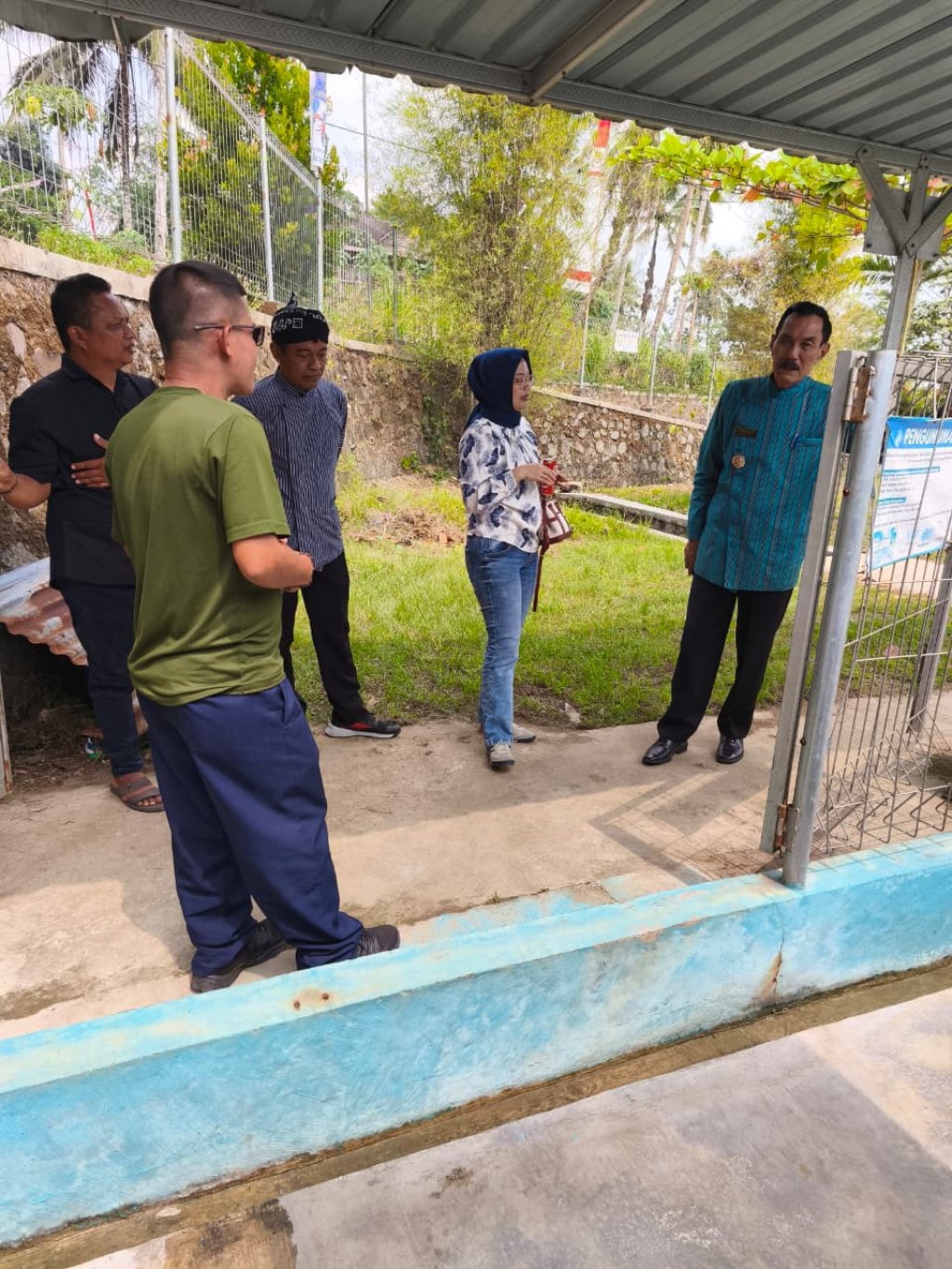
As part of its commitment to ensuring the sustainability of community-based development programs, DPF conducted its annual monitoring of several Drinking Water Purification System projects previously donated to village communities in 2021, 2023, and 2024.
The monitoring activities are not limited to evaluating the physical condition and operation of the water purification units. DPF also provides technical consultation, organizational and management assistance, and, where necessary, upgrading training for local operators and village management institutions.
The Drinking Water Purification System introduced by DPF is designed as an environmentally friendly and community-manageable technology. The system utilizes natural processes involving air and sunlight, with relatively simple operational requirements. Local personnel are trained to operate and maintain the system, while its institutional and business management can be undertaken through the Village-Owned Enterprise (BUMDes).
Through this approach, DPF seeks to ensure that the facilities provided to communities remain operational, properly maintained, and capable of delivering long-term benefits.
DPF conducted monitoring and consultation visits on:
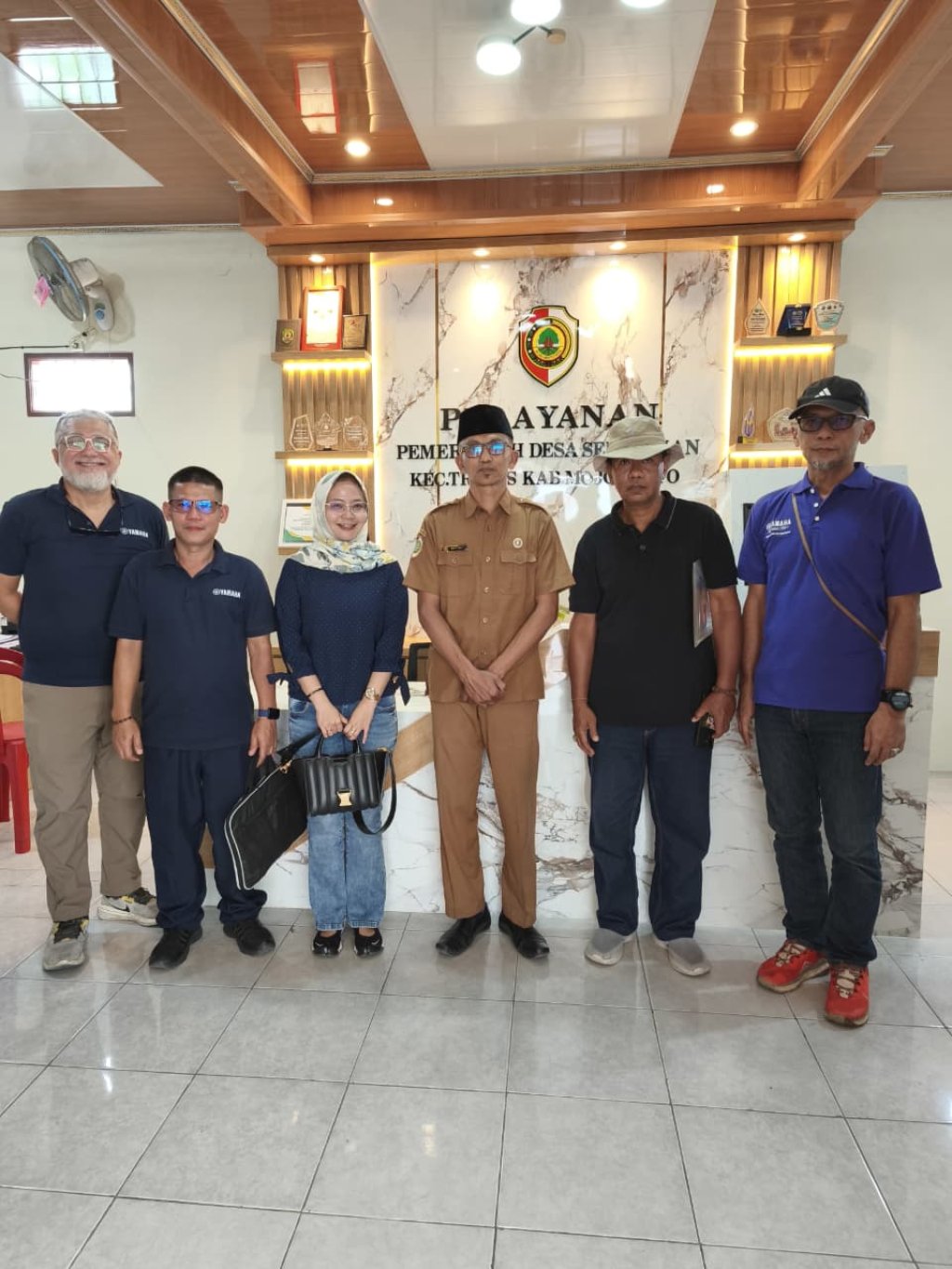
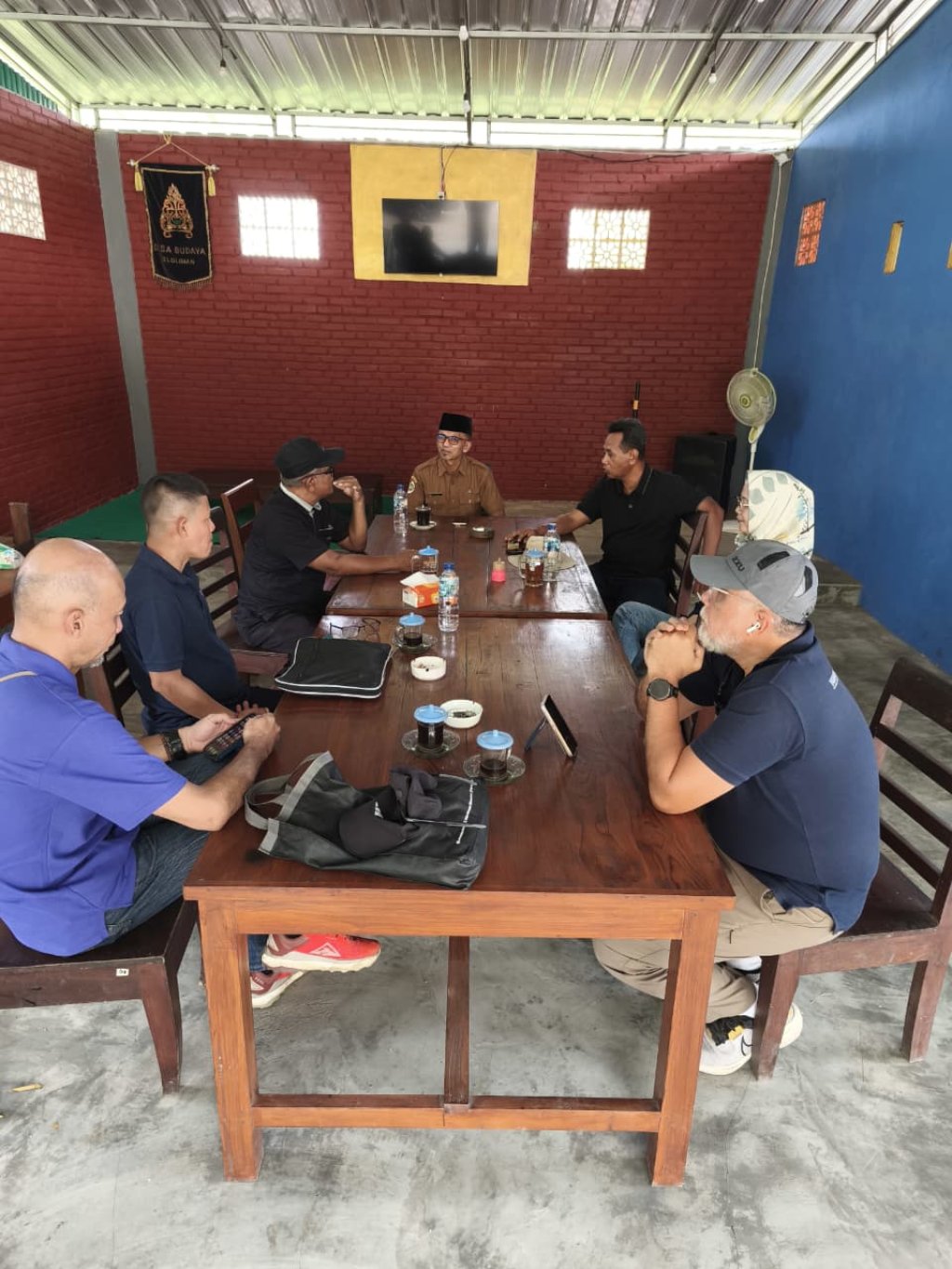
• 4 August 2026 — Seloliman Village, Mojokerto
|
|
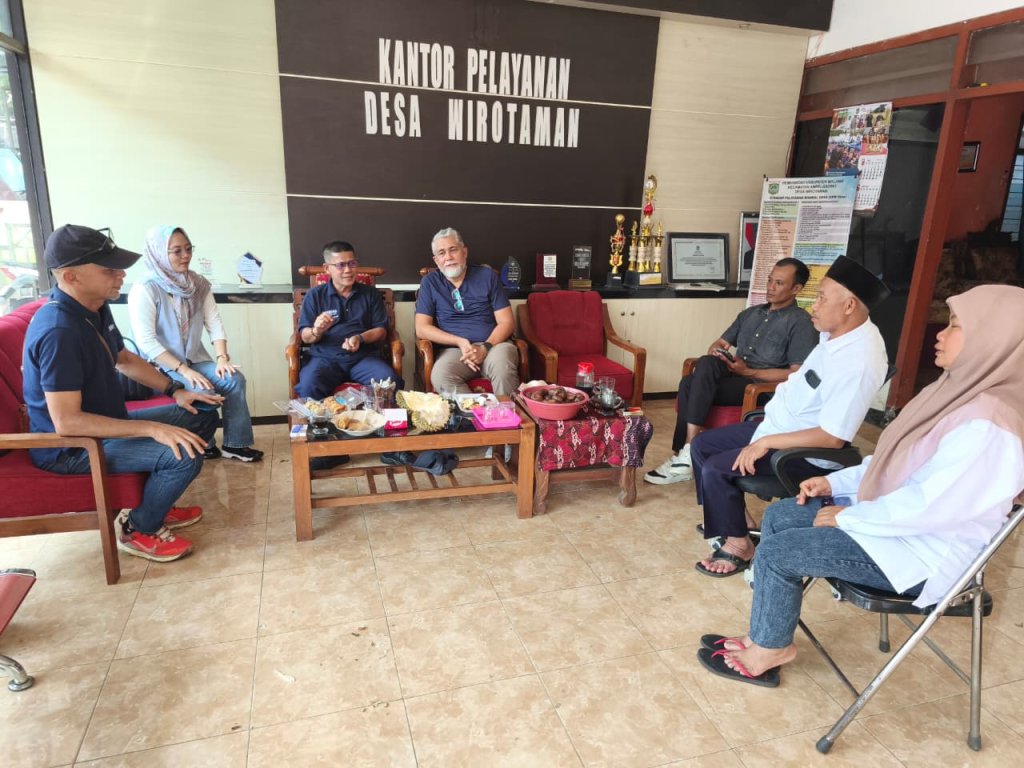
• 5 August 2026 — Wirotaman Village, Ampelgading, Malang Regency
|
|
• 6 August 2026 — Pagergunung Village, Blitar Regency
|
|
During the visit to Seloliman Village, Mojokerto, the Village Head and local community representatives proposed that DPF provide an additional upgrading training program covering both technical operation and management.
DPF welcomes this initiative as an indication of the community's commitment to maintaining and strengthening the sustainability of the drinking water program.
In addition to its community drinking water programs, DPF plans to further develop its activities in the field of biodiversity conservation and community-based green economic development.
Particular attention will be given to the conservation and cultivation of medicinal plants, traditional tubers, and trees with herbal and therapeutic value.
Indonesia's rich biodiversity offers significant opportunities not only for environmental conservation but also for improving community livelihoods. DPF therefore intends to explore programs that can connect biodiversity conservation with income-generating activities for rural communities.
The concept is to encourage collaboration between farmers, local community organizations, researchers or technical experts, and producers of herbal medicines and herbal oils. Through appropriate cultivation, processing, product development, and market access, medicinal plants and other local biological resources could provide greater added value for rural communities.
Such an approach would allow biodiversity conservation to become not only an environmental activity, but also part of a sustainable local economic development strategy.
One of the principal challenges for DPF in developing these programs is securing adequate and sustainable funding.
For approximately the past six years, a substantial part of DPF's organizational activities and development initiatives has been financed independently through personal contributions from the Chairman and members of the organization's management.
As DPF seeks to expand its activities in clean drinking water, biodiversity conservation, medicinal plants, herbal products, community enterprise development, and green economic opportunities, broader cooperation will become increasingly important.
DPF therefore welcomes opportunities for partnership and collaboration with government institutions, universities and research institutions, private-sector partners, philanthropic organizations, international development institutions, and other organizations sharing similar objectives.
Through such collaboration, DPF hopes to develop practical initiatives in which environmental conservation, appropriate technology, local entrepreneurship, and community income generation can strengthen one another.